
The Italian Coffee Menu Decoded: From Espresso to Marocchino
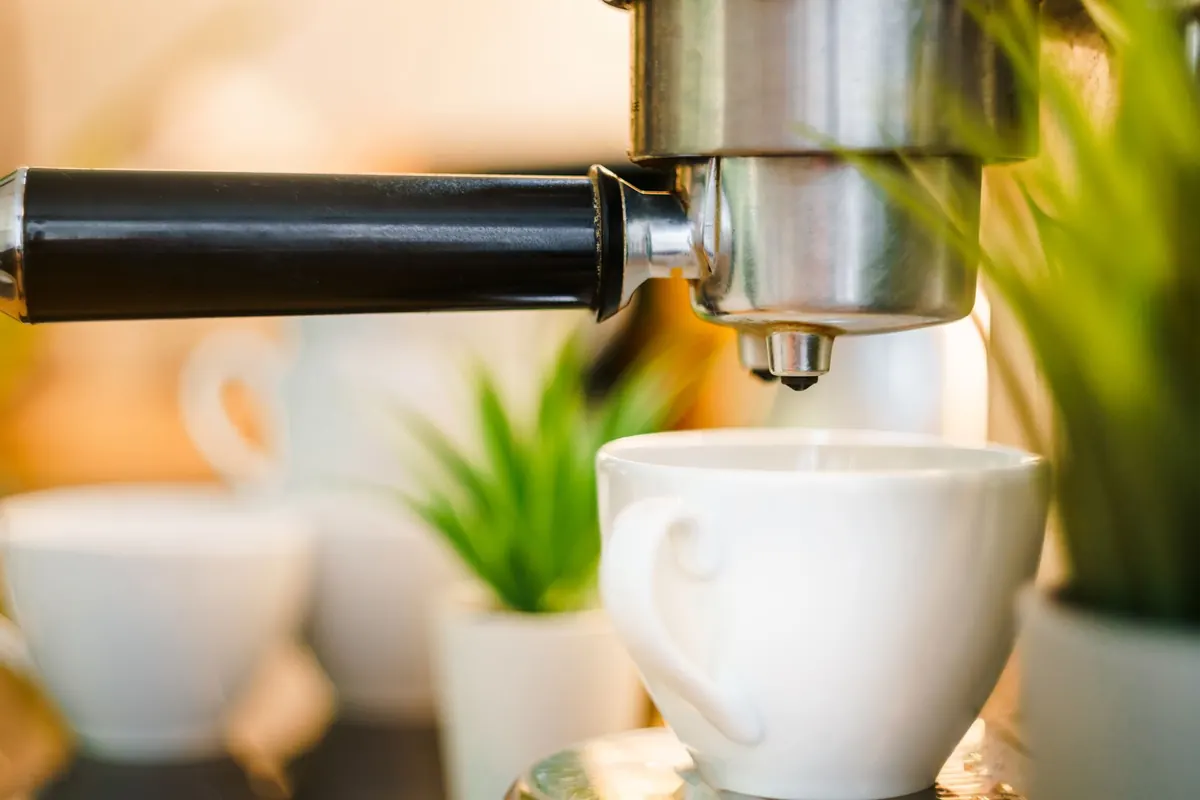
An Italian bar menu can look like a code: a short list of words, a few prices, and no explanations. You order “un caffè” and get a small, intense espresso; you ask for a latte and receive a glass of milk. The vocabulary is precise, but it is not complicated once you know the logic. Most drinks are built from the same shot of espresso, then adjusted by size, milk, foam, and the occasional spoon of cocoa. The menu is also shorter than it first appears: many names describe the same base drink with one variable changed, such as a little more water, a little less milk, or a splash of something stronger. What follows is a practical decode of the drinks you will see most often, from the morning rush to the after-dinner counter, plus the small phrases that make ordering easier.
The Espresso Family: Small, Strong, and Exact
In Italy, “caffè” means espresso. It is not a style you request; it is the default. A standard shot is roughly 25–30 ml, served in a small porcelain cup with a saucer, a spoon, and often a glass of water. The crema should be hazelnut-brown, the body syrupy, and the volume small enough that you finish it in two or three sips. If you order “un espresso,” you will get the same thing, but the local word is simply caffè. At a busy counter, the barista may not even ask for clarification: “Un caffè” is understood as the standard shot, not a large American-style coffee.
The variations are mostly about water and dose:
- Ristretto: a shorter, more concentrated pull, often around 15–20 ml. Less water, same dose of coffee, so the flavor is denser and sometimes sweeter.
- Lungo: a longer pull, around 40–50 ml. More water runs through the coffee, so it tastes lighter and slightly more bitter.
- Doppio: a double shot, roughly 50–60 ml. Useful when you want a larger drink without milk.
- Decaffeinato: decaf espresso. Say “un deca” if you want to sound local; the bar will understand either way.
- Corretto: espresso “corrected” with a splash of grappa, sambuca, or another spirit. It is a cold-weather, after-meal order, not a morning default.
If you want a little milk but not a cappuccino, ask for a macchiato. The word means “stained”: an espresso marked with a small spoon of milk or foam, perhaps 5–10 ml. Order it “caldo” for hot milk or “freddo” for cold milk. A macchiato is not a small cappuccino; the espresso still dominates. In some bars you can also ask for a caffè in vetro, meaning the espresso is served in a small glass rather than a porcelain cup. It changes nothing about the coffee, but it is a useful phrase if you prefer to see the layers and the crema.
Cappuccino, Latte Macchiato, and the Milk Ratio
Cappuccino is the drink that confuses visitors most, mainly because the Italian version is smaller and drier than many expect. A typical cappuccino is around 150–160 ml: one espresso, steamed milk, and a thick cap of foam. The texture should be velvety, not bubbly, and the foam should hold its shape without being stiff. You may see cappuccino scuro (a darker, stronger version with less milk) or cappuccino chiaro (a lighter version with more milk). If you want it less foamy, ask for poco schiuma; if you want it very milky, ask for con più latte. These are small adjustments, not new drinks.
Many Italians drink cappuccino at breakfast and switch to espresso later in the day, but bars serve it whenever they are open. If you order one after lunch, you may get a friendly look, not a refusal. The practical point is the ratio: cappuccino is balanced, with enough milk to soften the shot but not enough to turn it into a milky drink. A cappuccino after a meal can feel heavy to some locals, which is why espresso or a small macchiato is more common at the end of lunch.
Latte macchiato reverses the proportion. It is served in a tall glass, often with layered hot milk and foam, and the espresso is poured in last so it “stains” the milk. The result is mostly milk with a coffee accent. Do not confuse it with a macchiato, which is mostly espresso. If you order a latte macchiato freddo, you are asking for the cold version; in summer, that may arrive as chilled milk with espresso added, not as a blended iced coffee.
Caffellatte is the home-style breakfast drink: more milk than a cappuccino, less foam, often served in a cup or glass. In Italy, “latte” alone means milk. If you ask for a latte at a bar, you may get a glass of hot or cold milk. Ask for caffellatte or latte macchiato if you want coffee in it. This is the single most common ordering mistake, and it is easy to avoid once you know that the coffee word must be in the name.
Marocchino, Shakerato, and the Bar Specials
Marocchino is the drink in the title, and it is worth ordering at least once. It comes from Piedmont and is usually served in a small glass: a shot of espresso, a dusting of cocoa powder, and a spoon of milk foam. Some bars add whipped cream; some layer cocoa between espresso and foam. The exact build changes from city to city, so treat the first sip as a local introduction rather than a fixed formula. It is small, sweetish, and more dessert-like than a cappuccino. In some bars it is called marocchino al cacao to make the cocoa element explicit, while others simply list it as marocchino and let the glass speak for itself.
Other common bar orders include:
- Caffè con panna: espresso topped with a dollop of whipped cream. Rich, simple, and often served in a small glass.
- Shakerato: espresso shaken with ice and sugar until chilled and foamy, then strained into a glass. A summer drink, refreshing and strong.
- Affogato: a scoop of gelato “drowned” with a hot espresso. Technically a dessert, but it appears on many bar menus.
- Caffè in ghiaccio: espresso poured over ice, sometimes with a little sugar. It is not the same as an iced latte; it is a sharp, cold shot for hot afternoons.
- Bicerin: a Turin specialty that layers espresso, chocolate, and cream in a small glass. It is closer to a dessert than a quick coffee, and it is usually sipped slowly.
These specials are where Italian coffee culture becomes playful. The base is still espresso, but the bar is willing to add cocoa, cream, ice, or a spirit. If you see a drink you do not recognize, it is usually safe to ask, “Com’è fatto?”—how is it made? The answer will tell you whether you are ordering a small espresso variation or a full dessert in a glass.
How to Order: Bar Etiquette, Sizes, and Small Words That Matter
Ordering coffee in Italy is less about memorizing a long menu and more about knowing a few social defaults. Most locals drink standing at the bar, pay at the register first or after depending on the bar, and finish the coffee quickly. Table service costs more in many places, especially in city centers and tourist areas. If you sit down, you are paying for the seat and the service as much as the coffee.
- Al banco: at the counter. This is the quick, cheaper, and most common option.
- Al tavolo: at the table. Expect a higher price and slower service.
- Caldo / freddo: hot or cold. Useful for macchiato, latte macchiato, and cappuccino variations.
- Con zucchero / senza zucchero: with sugar or without. In many bars the barista will ask, or you can add sugar yourself at the counter.
- Poco latte / tanto latte: a little milk or a lot of milk. These phrases adjust the ratio without changing the drink’s name.
- Da portare via / da asporto: to take away. Not every small bar offers it, but many do.
In many bars, the price is higher if you sit at a table. Ordering “al banco” is quick, cheaper, and the most common local habit.
A few polite words go a long way: per favore for please, grazie for thank you, and posso avere... for “may I have...”. You do not need to overthink the grammar. A clear “Un caffè, per favore” is perfectly local, and a smile at the counter is worth more than a perfect accent.
Regional Twists and Seasonal Habits
Italy is not a single coffee culture. The vocabulary is national, but the habits change by city and season. In Piedmont, the marocchino and the bicerin are part of the local identity. In Puglia, especially around Lecce, you may find caffè leccese: espresso poured over ice and served with almond milk, a sweet, cooling drink for warm weather. In Naples, the caffè sospeso is a small act of generosity: you pay for two coffees but drink one, leaving the second for someone who cannot afford it. It is not a drink on the menu so much as a tradition attached to the counter.
Season matters too. Shakerato appears more often in summer, while corretto and marocchino feel more at home in colder months. A bar may list a cappuccino freddo in hot weather, but it is not as standard as the hot version. If you want a cold coffee, the safest orders are a shakerato, a caffè in ghiaccio, or a caffè leccese where available. The common thread is still the same: espresso is the base, and the local twist tells you where you are.
Photo: Jakub Zerdzicki / Pexels