
Ordering Coffee in Rome: A First-Timer's Guide to Bars, Prices, and Counters
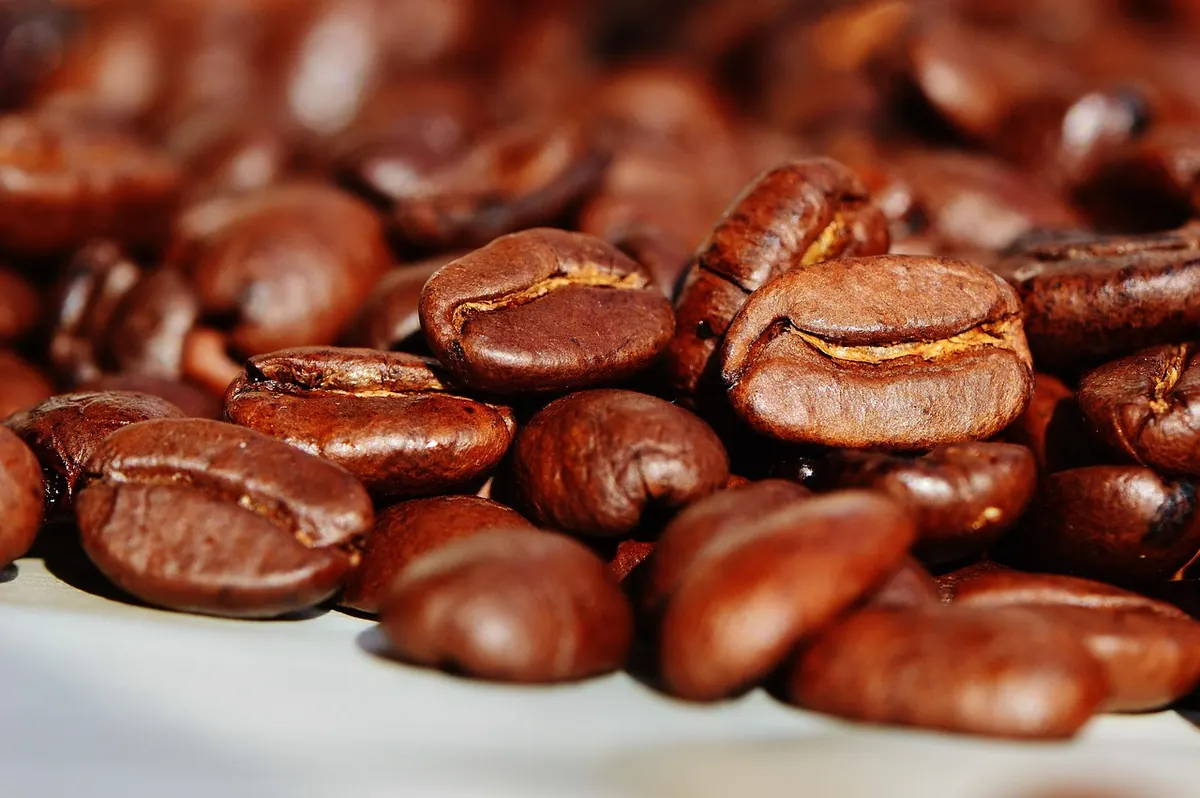
You push open the door of a bar near your hotel at eight in the morning and everything happens at once: a wall of people at the counter, a till ringing, a barista calling an order back over his shoulder, and a stream of small paper receipts moving from hand to hand. Nobody explains the choreography. In Rome the coffee itself is rarely the difficult part — it is the paying, the standing, and the sitting down that catch visitors out. What follows is the practical version, the one a Roman friend would give you over the phone.
What a Roman Bar Actually Is
A bar in Rome is not a place you go to drink at night. It is a coffee bar, and in most neighbourhoods it opens before dawn, serves the morning rush, and keeps going through lunch with cornetti, tramezzini, and perhaps a glass of white wine for whoever wants one. Bakeries with a coffee counter, known as pasticcerie, work on the same rhythm.
The counter is the centre of gravity. Romans treat it as a service hatch rather than a lounge: you arrive, you order, you drink, you leave. A decent number of customers never take their jacket off. If you remember only one thing, remember that — the whole price structure and etiquette of the place follows from it.
One language note before anything else. In Rome, un caffè means an espresso. Small, hot, drunk in two or three sips. If you want the long, watery version, ask for an americano or a caffè lungo. If you ask for "a latte", you will be handed a glass of milk and a polite expression.
The Counter Rule: One Coffee, Two Prices
Drink your coffee standing at the banco and you pay one price. Take the same coffee to a table and you pay a higher one. The difference is the servizio — table service, a waiter, and the rent on your chair. It is not a tourist tax and it is not improvised on the spot; it should be printed on the price list.
Look for the listino prezzi, usually framed on the wall near the till or lying on the counter. Italian bars are required to display their prices, and the numbers differ between counter and table. In an ordinary neighbourhood bar, an espresso at the counter sits in the region of a euro, sometimes a little more. At a table on a grand piazza, with a waiter and a view, the same coffee can cost several times that. Neither is a swindle, but the two are not the same purchase.
My advice for a first day: drink at the counter in a back-street bar and see what a Roman espresso actually tastes like and what it actually costs. Save the table on the piazza for an evening drink when the sitting down is the point.
Where to Pay: The Cashier, the Receipt, the Barista
In the traditional system, money and coffee are handled by two different people, and this is where visitors freeze in the doorway. The sequence is short once you have seen it done once.
- Walk in and look for the cassa — the till, often near the door or at the end of the counter.
- Say what you want and pay. You will be given a small receipt, lo scontrino.
- Take the receipt to the barista and set it on the counter.
- Give your order out loud: "Un caffè, per favore." One word of greeting first — buongiorno — goes a long way.
- Drink it standing, then leave. The whole transaction can take ninety seconds.
Many newer bars, pasticcerie, and busy tourist spots have simplified this: you order at the counter, drink, and pay at the till on your way out. If you cannot see a separate cashier, watch the person ahead of you for five seconds and copy them. If you sit at a table, the waiter takes the order and you pay at the end, servizio included.
What to Order, and When
The menu behind the bar is shorter than it looks. These are the ones worth knowing:
- Caffè — espresso, the default.
- Caffè macchiato — espresso with a stain of milk.
- Cappuccino — espresso, hot milk, foam, in a small cup.
- Marocchino — espresso with milk foam and a dusting of cocoa, a northern import that Rome has adopted happily.
- Corretto — espresso "corrected" with a splash of grappa or sambuca. A mid-morning habit, not a breakfast one.
- Deca — decaffeinated. Say un deca and you will be understood.
- Caffè freddo and granita di caffè — the summer answers, the second one a slush of coffee served with cream.
Morning
Breakfast in a bar means a cappuccino and a cornetto, taken standing, usually between seven and nine. The old rule that Italians never drink milk after eleven is softer than the internet suggests — nobody will refuse you — but you will notice Romans switch to plain espresso after lunch, and they genuinely find the milk heavy on a full stomach.
After a meal
A quick espresso at the counter is the standard full stop. If you are seated at a restaurant, the coffee is often the cue that the table is about to be cleared, so order it when you are ready to leave rather than when you want to linger.
Counter Etiquette: The Small Things Romans Notice
None of this is law, and no one will scold you. It simply makes the morning smoother.
- Stand, don't camp. During the morning rush, the counter is a workspace. Drink up and move aside.
- Ask for water. "Un bicchiere d'acqua, per favore" usually gets you a small glass from the tap at no charge. Bottled water is a separate purchase.
- Carry some coins. Cards are widely accepted now, but small bars can be slow or reluctant for a one-euro charge.
- Skip the big tip. Tipping is not expected for a coffee. Rounding up or leaving a coin is generous and plenty.
- Check the coperto. A cover charge applies when you sit and eat, not to a coffee at the counter.
Neighbourhood Bars and the Famous Ones
The bars around the Pantheon and Piazza Navona are worth seeing, and a few of them have been pulling espresso for generations. Expect crowds, higher prices, and a slightly more theatrical experience. The bar two streets behind your hotel, with a hand-written price list and a barista who has been there since 1994, will usually be cheaper, calmer, and just as good.
If a place has no visible prices, ask before you order. It is a perfectly normal question and the answer tells you a great deal.
Before You Walk In: A Short Checklist
Greet the room, find the cassa, pay, keep the receipt, hand it to the barista, and say your order clearly. Decide in advance whether you are standing or sitting, because that decision changes the bill. Order an espresso first, before you graduate to cappuccino or marocchino, and drink it while it is still hot.
Do that once and the second morning feels entirely different. You will be in and out in two minutes with a coffee that costs less than you expected, and the choreography that looked chaotic on day one will look like what it is: a very well-run, very old habit.
Photo: Alexas_Fotos / Pixabay