
How to Read a Coffee Bag Label: Roast Date, Altitude, and Processing Explained
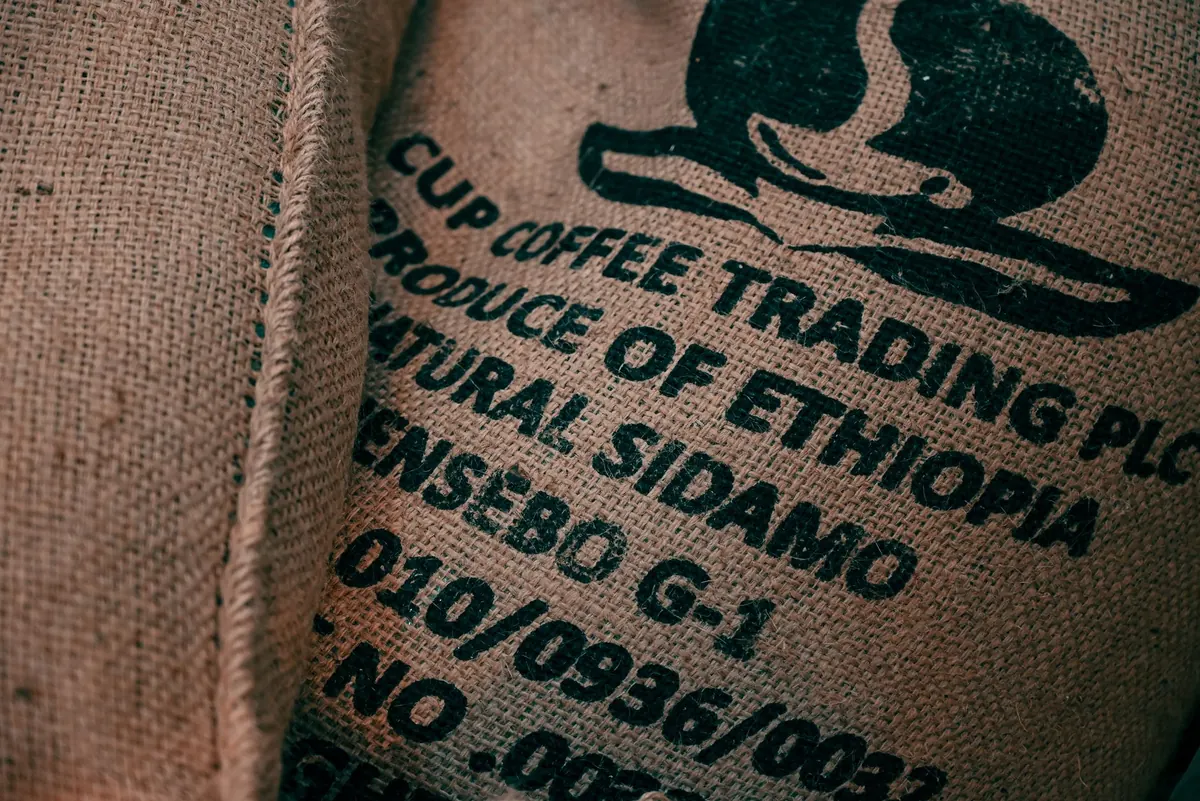
A specialty coffee bag has become a surprisingly talkative object. A few years ago you were lucky to get a country and a vague colour; today the same bag might carry a roast date, a farm name, an altitude range, a varietal, a processing method and three flavour notes, all set in confident eight-point type. That is genuinely useful information, and it is also, sometimes, decoration — words printed to make a bag feel premium without telling you anything you can act on. The difference matters when you are standing in a shop deciding whether to spend real money on 250 grams of coffee you have never tasted. Learn a handful of terms and the label stops being marketing and starts being a short, honest description of what is in the cup.
Start with the roast date, not the best-before date
If a bag has only one date on it, you want it to be a roast date. Look for "Roasted on," "Roast date," or a stamped day-month-year near the valve. Coffee is not fruit: it does not improve with age, but it does need a few days to settle. Freshly roasted beans release carbon dioxide, and that gas pushes against water during brewing, which is why a bag roasted yesterday can taste flat and foamy and slightly sour. Most filter coffees hit their stride somewhere between roughly five and twenty-five days off the roast. Espresso often prefers a slightly later window, around a week to three weeks, because the beans have degassed enough to extract predictably.
A "best before" date twelve to twenty-four months out tells you almost nothing about quality. It is a stock-rotation figure, not a flavour forecast. When a bag offers both, trust the roast date. When it offers only a best-before, the coffee inside could be nine months old, and no amount of handsome typography will fix that.
Two smaller signals worth a glance: the one-way valve (it lets gas out and keeps oxygen from getting in, a good sign of a roaster who expects you to care about freshness), and whether the bag is whole bean. Ground coffee stales within days. If you can grind at home, do.
Altitude: a rough sketch of the cup
Altitude is printed in metres above sea level, often as "masl." It is not a flavour guarantee, but it is one of the more reliable hints on the bag. Coffee grown high up ripens slowly in cool air, which usually produces denser beans, more acidity, more layered sweetness and the kind of floral or citrus character that specialty drinkers chase. Drop down the mountain and the cup tends to round out: softer acidity, heavier body, chocolate, nuts, brown sugar.
So a Kenyan lot marked 1,700–2,000 metres is probably going to be vivid and structured, and a Brazilian natural at 900–1,100 metres is likely to be sweet and mellow. Those are patterns, not promises. Shade, rainfall, varietal and processing all pull on the same strings, and a well-farmed low-altitude lot can outclass a lazy high-altitude one. Read altitude as the roaster telling you which direction the coffee is leaning.
Processing: the biggest flavour clue of the three
Processing describes how the fruit was stripped from the seed after picking, and it shapes flavour more dramatically than almost anything else on the label. Two coffees from the same farm, same varietal, same altitude, processed differently, will taste like different drinks. Here is the short version of what the words mean.
- Washed — the fruit is removed before drying. Expect clarity, clean acidity, distinct origin character. The safest bet if you like precision.
- Natural — the cherry dries around the seed. Expect fruity, jammy, sometimes boozy sweetness and a rounder body. Fermentation is the point here, so quality varies more.
- Honey — part of the fruit is left on during drying. Sits between the two: sweetness and body from the natural side, some of the washed clarity intact.
- Anaerobic — sealed fermentation with limited oxygen. Often intensely aromatic, sometimes pleasantly strange. Buy a small bag first.
- Wet-hulled — the classic Sumatran method (look for "giling basah"). Earthy, cedary, low acidity, heavy body. Distinctive, and polarising.
If you have ever bought a natural Ethiopian expecting a clean, tea-like cup and been surprised by blueberries and a syrupy body, the processing line on the bag was the explanation you were looking for.
Roast level and tasting notes
Roasters use loose language here — light, medium, medium-dark, "filter roast," "espresso roast" — but the intent is readable. Lighter roasts keep more of the bean's own acidity and origin character and are less forgiving to brew. Darker roasts push sweetness toward caramel and cocoa and mute the differences between origins, which is why they are popular in milk. If the tasting notes mention stone fruit, citrus or florals, the coffee is almost certainly on the lighter side. If they lean chocolate, toasted almond and molasses, it is not.
Those tasting notes are the roaster's impressions of what the coffee tastes like — not flavours added to it. A bag that says "strawberry" contains coffee, nothing else.
Use the notes as a match against your own preferences rather than as a shopping list. Three descriptors pointing in the same direction (bergamot, lemon, blackcurrant) usually means a sharp, bright coffee. Three that agree on sweetness (fig, cocoa, brown sugar) means something softer. Notes that contradict each other badly are often just a roaster being enthusiastic.
Origin, varietal and the small print
The remaining lines reward a few seconds of attention. A single farm or washing station with a named producer usually signals a lot the roaster chose deliberately and paid for. A blend is not lesser — plenty of excellent blends exist — but it is designed for consistency rather than character, which is what you want for a daily espresso and not what you want when you are curious.
Varietal names like Bourbon, Typica, Geisha or SL28 are worth knowing if you already have favourites, and easy to ignore if you don't. Certifications — organic, Fairtrade, Rainforest Alliance — relate to farming and trade rather than flavour, so treat them as separate from the taste decision. And check the net weight, because bag sizes vary more than you would think and the price per gram is the number that actually matters.
A quick routine for the shelf
Pick up the bag and read it in this order: roast date first, and put it back if there isn't one. Then processing, because it tells you the most about flavour. Then altitude for a sense of the coffee's weight and acidity. Then roast level and tasting notes to check the coffee matches what you actually enjoy drinking. The whole scan takes about fifteen seconds, and it will save you from more disappointing bags than any review ever will.
Photo: Muhannad al zabidi / Pexels