
What to Look for in a Specialty Café: A 5-Minute Walk-In Checklist
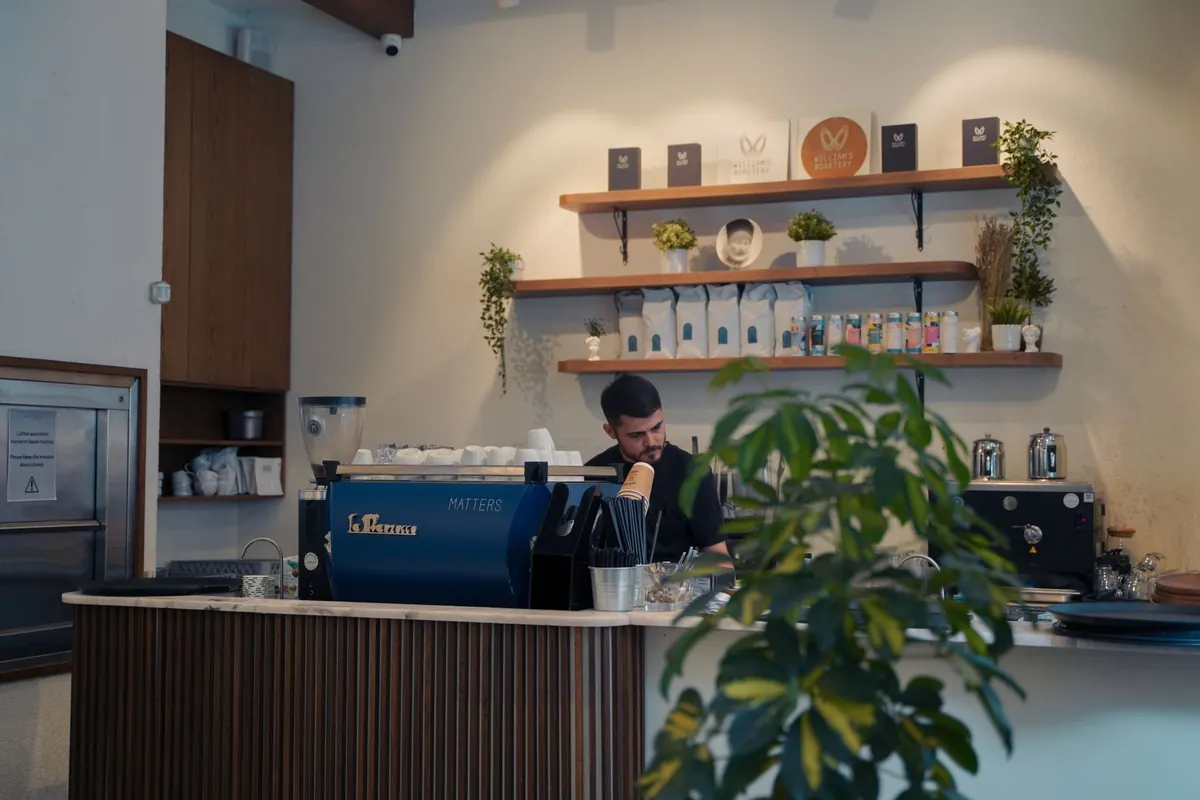
You have five minutes and a standing appointment with a flat white. Before you get in the queue, it is worth doing what regulars do almost without thinking: one slow sweep of the room, from the grinders on the back bar to the pastry case by the till. Nothing about this is snobbish or paranoid. A café is a small workshop with its doors open, and most of what determines the quality of your cup is visible from the doorway if you know where to look.
The point is not to hunt for reasons to leave. It is to know what you are ordering, so you can ask for it well rather than hope for the best. Here is what to watch for.
Start at the Grinders
The grinder is the most honest object in the room. Look at the hopper on the espresso grinder: is there a visible heap of beans, or a modest amount topped up through the morning? Big hoppers crammed to the brim on a quiet Tuesday usually mean beans that have been sitting open to the air for days. Smaller batches, refilled often, tend to point to someone paying attention.
Then look lower. A clean grinder is a well-kept grinder, so check the chute and the dosing area for a dark, stale crust of old grounds. If the barista weighs the basket on a set of scales before pulling the shot, that is a strong signal — dosing by eye is fast and can be fine in expert hands, but weighing suggests a kitchen where consistency matters. If you see more than one grinder in service, ask what is in each. A dedicated decaf grinder is normal and good news.
For filter coffee, the same logic applies: freshly ground to order, or a batch brewed into a thermal carafe rather than sitting on a hotplate.
Read the Menu Like a Regular
A good menu answers three questions without you having to ask: what am I drinking, where is it from, and how is it made? Look for a roaster named, and at least a short description of the espresso — origin, process, or a phrase about flavour that is specific rather than poetic. "Chocolate and orange, medium roast" tells you something. "A journey for the senses" tells you nothing.
Clarity matters more than length. A short menu that names its milk options, states what the filter of the day is, and explains its sizes is easier to trust than a laminated board with forty drinks. Watch for these small pieces of evidence:
- A roast date on retail bags, not just a best-before date.
- Ratios you can read — a cortado or flat white described by approximate espresso-to-milk proportions so you know what to expect.
- Alternative milks listed openly, ideally with a note about which ones steam well.
- Filter options by name: batch brew, V60, AeroPress, or whatever the shop actually offers.
- Prices that make sense relative to portion sizes, so you can choose without guessing.
If the menu is vague, the staff are your menu. Ask what espresso they are running and what it tastes like. A clear, unhesitating answer is worth more than any printed description.
Watch the Milk
Milk handling is where good cafés and rushed cafés visibly diverge. Because so many drinks are milk drinks, it is worth thirty seconds of quiet observation.
Pitchers and Portions
Good practice is a pitcher sized to the job: a small jug for a single flat white, not a litre jug half-filled. Steaming a tiny quantity of milk in a huge pitcher makes it foamy and hard to control. If you see the same jug used for one drink and then a fresh one for the next, that is normal. If you see one jug returned to the counter, topped up with cold milk and reused without a wipe, expect a muddier result.
The Wand and the Temperature
Notice whether the steam wand is wiped and purged between drinks. It takes two seconds and every serious barista does it. Listen for the sound of the milk: a steady hiss followed by a quiet, low spin means the milk is being textured rather than blasted. And if your drink arrives scalding, that is a fault, not a virtue — milk pushed to a rolling boil loses its sweetness and turns flat. Ask for warm, not hot, and see how the barista responds.
Freshness Signals You Can Spot From the Queue
Freshness is mostly a matter of dates, seals and turnover. Scan the retail shelf: bags with one-way valves, roasted-on dates printed clearly, a modest number of them on display rather than a towering wall of stock. A café that sells beans with last month's date on them is not necessarily bad, but it is telling you something about how quickly its inventory moves.
Beyond the beans, look at the rest of the counter. Are the pastries covered, or open to the air with a fan nearby? Is the water jug fresh? Are the cups clean and dry at the rim, stacked so they will not smell of dust? Is there a lingering smell of burnt coffee in the air, or something sweeter and bready? Your nose is a legitimate instrument here.
One more quiet sign: does anyone behind the bar taste the coffee during service? A small spoon, a quick sip, a shot pulled and discarded — that is a shop adjusting itself rather than hoping.
The Five-Minute Walk-In Sequence
If you want a simple routine to run in your head, try this order. It moves from the back of the room to the front, which is also how the coffee flows.
- Grinders: beans looking fresh, grounds not crusted, scales in use.
- Menu: roaster named, drinks described clearly, milk and filter options visible.
- Milk: sensible pitcher sizes, wand wiped, drinks served warm rather than scalding.
- Counter: dated bags, covered food, clean cups, water that looks changed.
- People: staff greeting customers, taking questions without flinching, working in a rhythm that leaves room for care.
You do not need all five to be perfect. Two or three strong signals, plus a barista who can tell you what the espresso tastes like, is usually enough to order with confidence.
When to Order Anyway
Not every great cup announces itself from the doorway. A café might be in the middle of a rush when you walk in, with hoppers full and milk pitchers piling up, and still be very good at what it does. A small shop might have a photocopied menu and no retail shelf at all, yet pull careful shots on a single machine all morning.
Use the walk-in checklist to decide what to order, not only whether to stay. If the milk handling looks loose, choose a filter coffee or an espresso instead of a latte. If the espresso grinder is busy but the batch brew looks tired, wait for something ground to order. And if you do leave, leave kindly — the person behind the bar is not reading your mind, and a café that is not for you today may be excellent in a month.
The worth of a five-minute habit is that it turns an ordinary purchase into a considered one. Order well, take a seat, and pay attention to that first sip. It is the fastest way to learn what you actually like, and the shortest route to becoming someone the bar recognises.
Photo: Farhad Irani / Pexels