
Italian Café Etiquette: Tipping, Table Service, and When to Pay
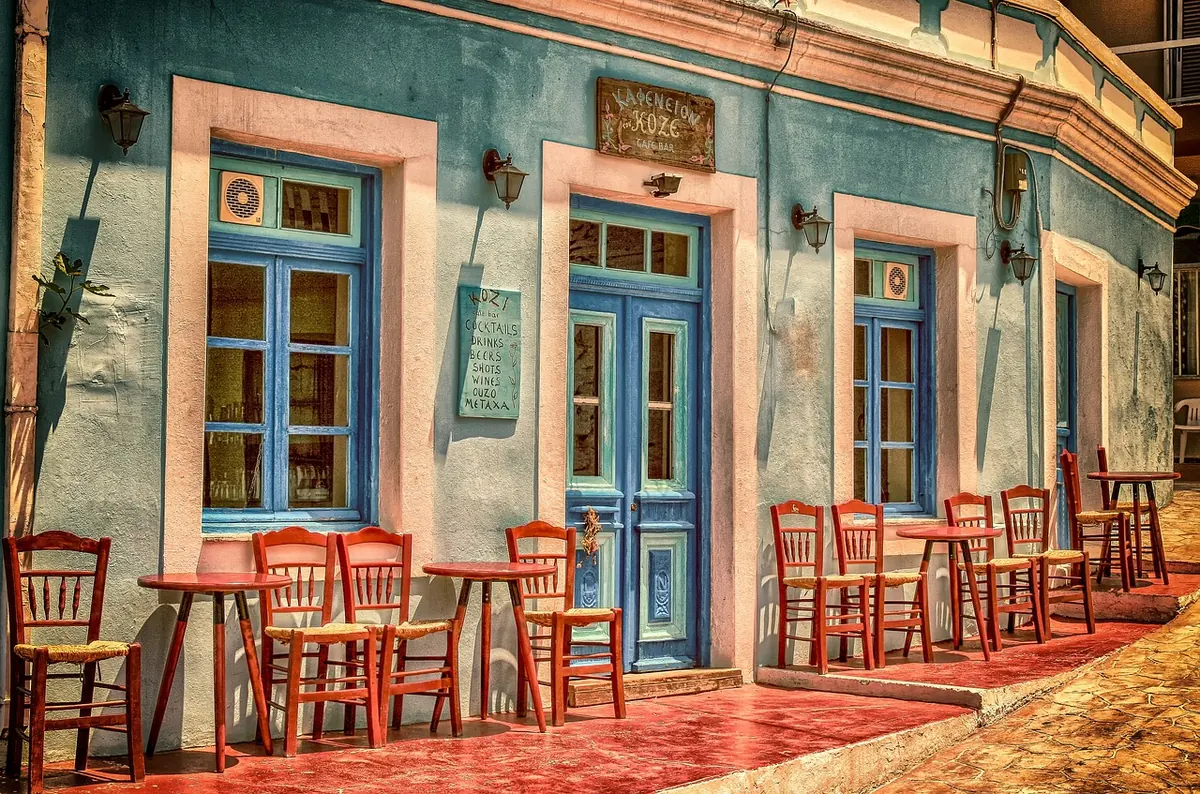
Watch a neighbourhood bar in Bologna at eight in the morning and you'll see a small piece of theatre. Someone sets a receipt down on the marble counter. Someone else drinks an espresso in two sips, standing, coat still on. A third person is settling an argument about football with the barista while the machine hisses behind them. None of it is rude or chaotic. It runs on habit rather than rules, and the habits become obvious after about three visits.
Knowing the shape of that routine changes how a café visit feels. You stop hovering near the door wondering whether to sit, and start moving through the room like someone who has been coming here for years.
First Things First: The Scontrino
In most Italian bars, the transaction starts at the till, not the counter. You pay first, you receive a small printed receipt — the scontrino — and then you take that receipt to the barista, who makes your coffee. Skip that step and you'll be politely sent back to the cassa.
The routine, at a typical bar:
- Go to the cassa and say what you want: "Un caffè e un cornetto, per favore."
- Pay and take your scontrino.
- Set the receipt on the counter and repeat your order to the barista if needed.
- Drink standing at the bar, then leave when you're done.
Plenty of places work the other way round — order at the counter, pay on the way out — and no two bars are identical. If you're unsure, watch the room for ten seconds. People walking towards a till with purpose are paying up front; people drifting to the counter with a slip of paper in hand have already done it. When you sit at a table, the waiter handles everything and you settle at the end.
Keep your receipt, at least until you've finished. Italian businesses are required to issue one, and you may occasionally be asked to show yours near the door. It's routine, not an accusation.
Al Banco or Al Tavolo: Where You Sit Changes the Price
Standing at the bar is the default, and it's the cheapest way to drink coffee in Italy. Sitting down changes the transaction: you're renting a seat, sometimes a view, and the price list will say so.
Look for two sets of prices, often printed as banco and tavolo. In a neighbourhood bar the difference is usually small. In a café on a main square it can be significant, and in the famous ones it's enough to raise an eyebrow. Nothing is hidden — prices must be displayed — so read the list before you choose a chair.
A simple rule: if you have ten minutes and no need for a seat, stand. If you want to sit with a book for an hour, sit, but expect to pay for the privilege and consider ordering a second coffee or a pastry if the place is filling up.
The Coperto and the Servizio
Two words on the bill cause more confusion than they deserve.
Coperto
The coperto is a per-person cover charge: bread, the set table, the washing up afterwards. It's a normal line item in trattorias and restaurants, it's printed on the menu, and every table pays it — including the table of regulars beside you. It rarely applies when you're drinking at the bar counter.
Servizio
Servizio is a service charge, usually a percentage, sometimes added for table service or for larger groups. If it appears on your bill, that is your tip. Adding a second one on top is generous, not expected.
If either charge surprises you, ask. "C'è il coperto?" is an entirely normal question and nobody will take offence. What you shouldn't do is dispute a charge that was clearly listed on the menu; you'll lose the argument and sour the morning over a couple of euros.
Ordering, and Getting the Bill
A handful of phrases carry most of the weight. "Un caffè" means an espresso — the default, not a mistake. Ask for a caffè lungo if you want it longer and weaker. A cappuccino is a milk coffee; if you order "un latte" you will be handed a glass of milk, so ask for a caffellatte or a latte macchiato. A cornetto is the standard morning pastry, plain or filled with cream, jam or chocolate.
When you want to leave, no one will bring the bill unasked. Catch the waiter's eye and say "Il conto, per favore." Cards are accepted in most places now, though small bars in small towns still prefer cash for a single coffee, so keep a note or some coins handy. Splitting a bill evenly is done by saying "facciamo alla romana."
There's no rush, either. Lingering over a coffee at a table is normal in the afternoon and evening. At the morning peak, though, the bar is a pit stop: drink up, pay, and make room for the next person in the queue.
Tipping: Less Than You Think
Tipping in Italy is a gesture, not an obligation. Nobody's income depends on it the way it does in some countries, and a barista who serves you a coffee at the counter will not be disappointed to receive nothing extra.
- At the bar counter: round up, or leave the small change. That's the whole gesture.
- At a table for coffee and a pastry: the coins from your change are plenty.
- At a sit-down meal: if the service was warm and no servizio is on the bill, rounding up or leaving around five to ten percent is a generous gesture. Many Italians leave less, or nothing at all.
- Taxis and hotels: rounding up is normal. Grand gestures aren't.
Two things to avoid. Don't leave a pile of coins on the counter as if making a point — hand it over, or leave it with the receipt. And don't tip twice out of confusion: check the bill for servizio before adding anything.
Small Habits That Give You Away
None of these will get you thrown out. They will, however, mark you as a visitor within about four seconds.
- Waiting to be seated in a bar. Unless there's a host, go to the till or the counter.
- Ordering a cappuccino after a long dinner. Nobody will stop you, but you'll get a look — milk coffees belong to the morning in most Italian habits.
- Skipping the greeting. "Buongiorno" on the way in and "grazie, arrivederci" on the way out cost nothing and change the entire exchange.
- Occupying a table with one empty cup during the morning rush while others stand.
- Asking for the bathroom before you've ordered anything. Usually fine, but buying something first is the graceful version.
- Answering the water question with a blank stare. "Gassata o naturale?" means sparkling or still.
The Short Version
If you remember nothing else, remember this order of operations:
- Pay at the till first, hand the scontrino to the barista, drink standing.
- Read the price list before you sit — banco and tavolo are different.
- Treat coperto and servizio as normal, listed charges, not tourist traps.
- Tip by rounding up. Anything more is a bonus, never a duty.
- Ask for the bill when you want it. Nobody is hovering, and nobody is offended.
Italian café etiquette isn't a test. It comes down to two things: knowing what you're paying for, and not holding up the bar at eight in the morning. Get those right and the rest — the standing, the greetings, the espresso drunk in two sips — falls into place. And if you get it slightly wrong, the barista will still hand you your coffee, most likely with a smile.
Photo: analogicus / Pixabay